
Wood Flooring &
Refinishing
In-House
Crew
Precision
Work
Clean
Jobsite
Owner-Led Oversight
Craftsmanship
You Feel Underfoot
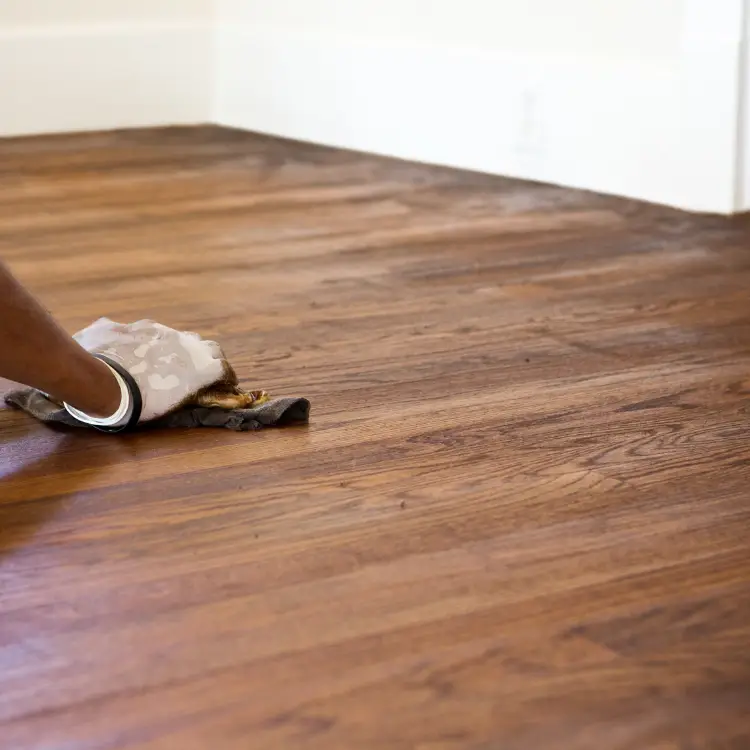
Wood floors don’t forgive mistakes. If sanding isn’t taken down evenly to bare wood, stain is applied inconsistently, or the finish isn’t built up properly, it shows immediately and only gets worse with time.
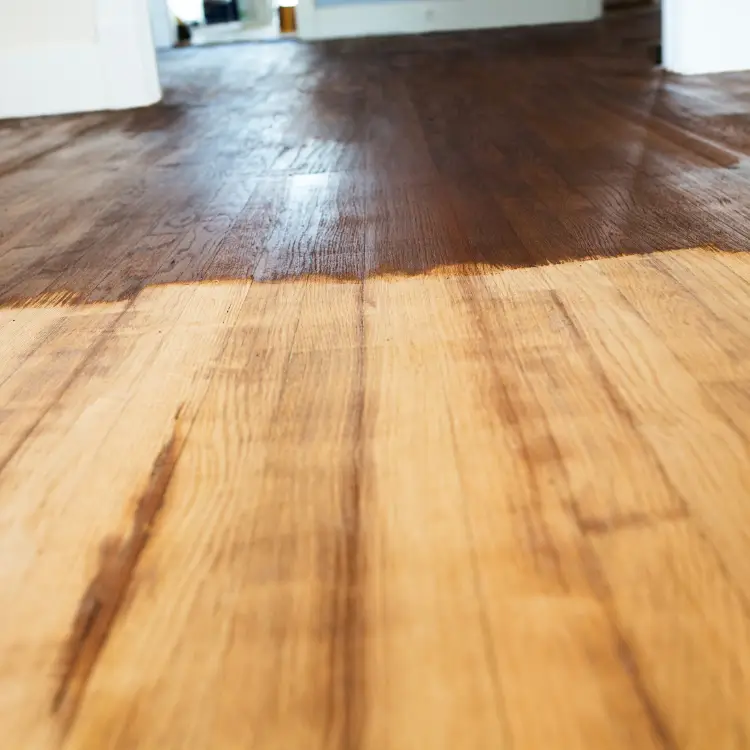
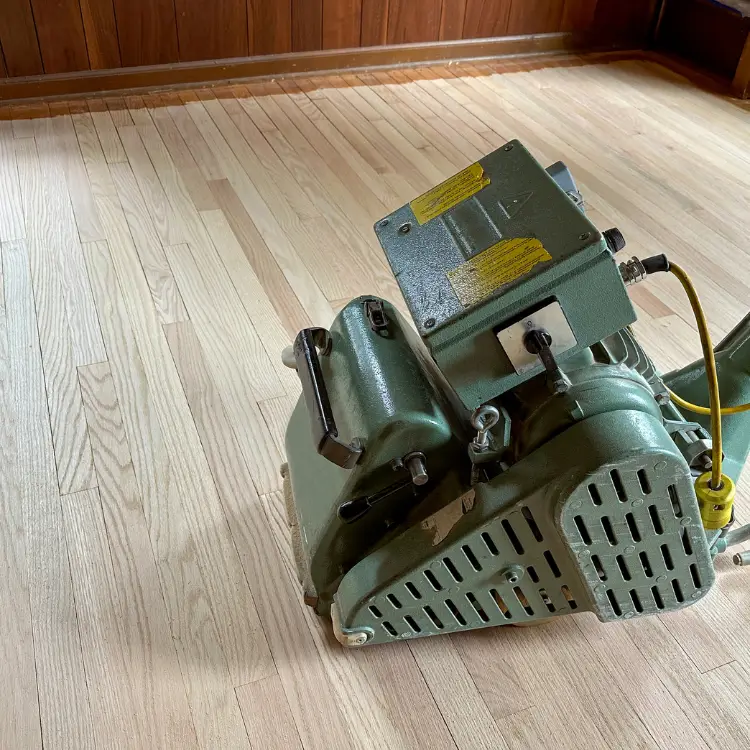
Dunrite refinishes hardwood floors with an in-house crew that uses a clean, durable system from start to finish: sanding the floors down to bare wood, applying a high-grade stain and sealer, and finishing with polyurethane designed to handle everyday wear. The goal is simple: floors that look sharp, feel solid underfoot, and last for years.
Craftsmanship
You Feel Underfoot
Wood floors don’t forgive mistakes. If sanding isn’t taken down evenly to bare wood, stain is applied inconsistently, or the finish isn’t built up properly, it shows immediately and only gets worse with time.
Dunrite refinishes hardwood floors with an in-house crew that uses a clean, durable system from start to finish: sanding the floors down to bare wood, applying a high-grade stain and sealer, and finishing with polyurethane designed to handle everyday wear. The goal is simple: floors that look sharp, feel solid underfoot, and last for years.
Laid Flat.
Sanded Smooth.
Finished Right.
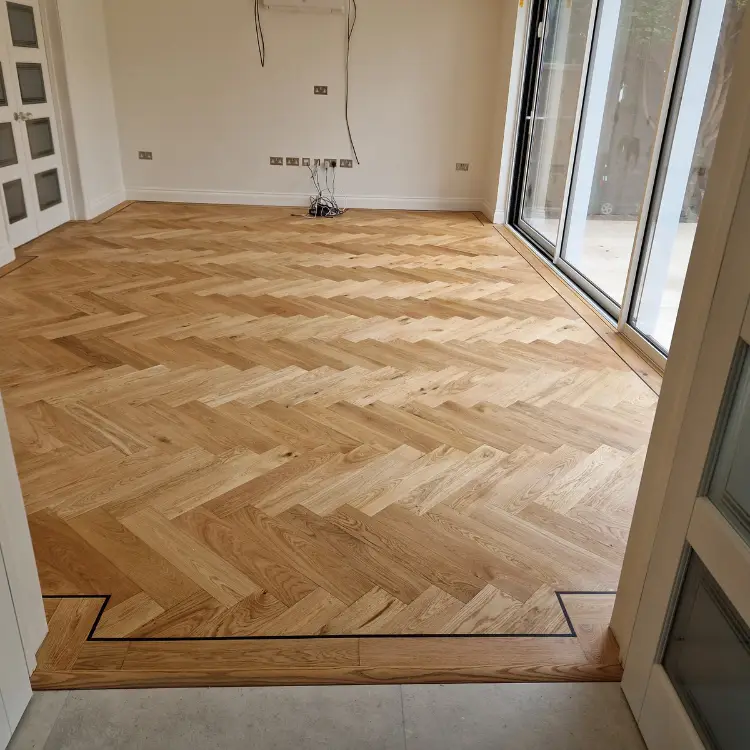
Good wood flooring comes down to discipline in the steps most people never notice. We stay focused on the parts that determine whether the floor feels solid, looks clean, and stays that way.
What we prioritize in our process:
Straight, consistent layout so the room reads clean from every angle
Seam fit and board alignment that stays uniform across the full span
Surface prep that leaves the floor smooth and even, ready for finish
Laid Flat.
Sanded Smooth.
Finished Right.
Good wood flooring comes down to discipline in the steps most people never notice. We stay focused on the parts that determine whether the floor feels solid, looks clean, and stays that way.
What we prioritize in our process:
Straight, consistent layout so the room reads clean from every angle
Seam fit and board alignment that stays uniform across the full span
Surface prep that leaves the floor smooth and even, ready for finish
Wood Flooring
Gallery
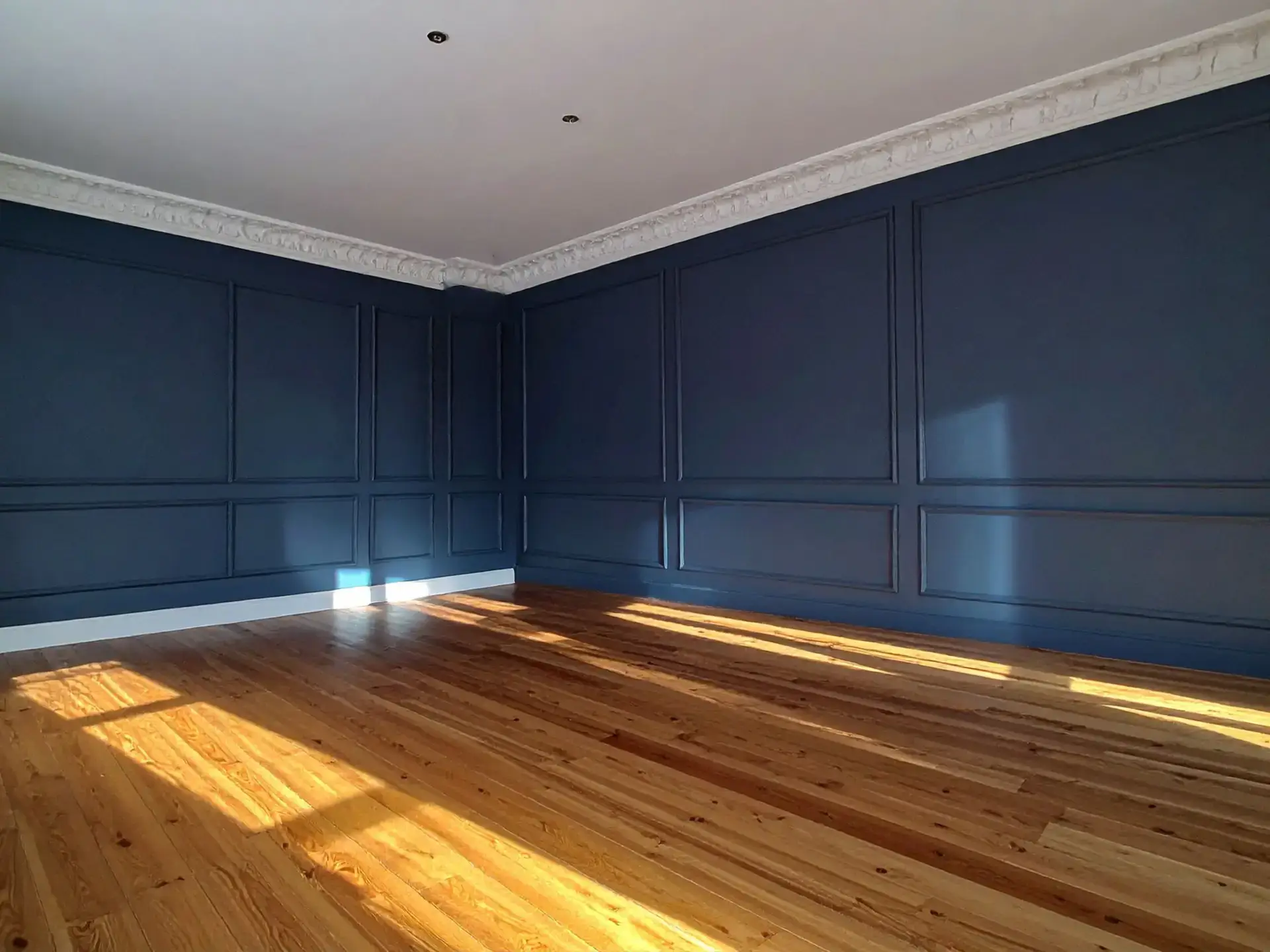
A selection of recent bathroom projects showcasing tile details, consistent layouts, and finished spaces built for everyday use.

A Better Floor Starts With the Right Process
If you’re planning a flooring project and want it handled cleanly and professionally, we’re ready to walk the space with you, talk through options, and give you a clear plan for next steps.
Start Your ProjectA hardwood floor can usually be refinished if there is enough real wood above the tongue-and-groove joint to sand safely. A contractor checks this by looking at floor vents, thresholds, or removed base shoe, then measuring how much “wear layer” is left, especially at high spots and edges where sanding removes material fastest. If the wear layer is too thin, or the floor is already sanded down close to the tongue, another full sand can expose the tongue, weaken the joint, and cause chipping at seams. Floors also lean toward replacement when boards are structurally compromised (water damage that caused black staining deep into the wood, delamination on engineered products, or widespread broken tongues, loose sections, and severe cupping that will not flatten).
The biggest differences are color, cure behavior, and smell during application. Oil-based polyurethane typically ambers as it cures, which warms the tone of the wood and can make lighter species look more golden over time. Water-based polyurethane stays clearer, which keeps light woods looking more natural and does not deepen color as much. Water-based products generally dry faster between coats, which can shorten the time the floor is out of service, but both systems still need time to cure before heavy use and rugs. Oil-based finishes usually have a stronger odor and higher VOC presence while they are being applied, so ventilation matters more during the job. The best choice depends on the look you want and how quickly the space needs to be usable, not a generic “one is better” answer.
Refinishing time depends on square footage, how much repair work is needed, and which finish system is used, but the schedule always includes three hard constraints: sanding and dust control, coat-to-coat dry time, and cure time. Walking is usually allowed before furniture because socks and light foot traffic do not concentrate weight the way furniture legs do. Furniture return depends on when the finish has built enough hardness to resist dents and sticking, and rugs are last because they trap solvents and slow cure. A good contractor will give you a written timeline that separates “light walk,” “furniture,” and “rugs,” because those are not the same milestone.