
Cabinet Painting
Endless
Colors
Consistent Finish
Clean
Jobsites
In-House
Team
Painting
DUNRITE.
Interior painting should improve how your home feels, not turn it into a mess. Dunrite provides interior and cabinet painting with a focus on preparation, clean execution, and finishes that actually hold up over time. Our in-house crew works neatly, protects your space, and delivers results that look just as good up close as they do across the room.
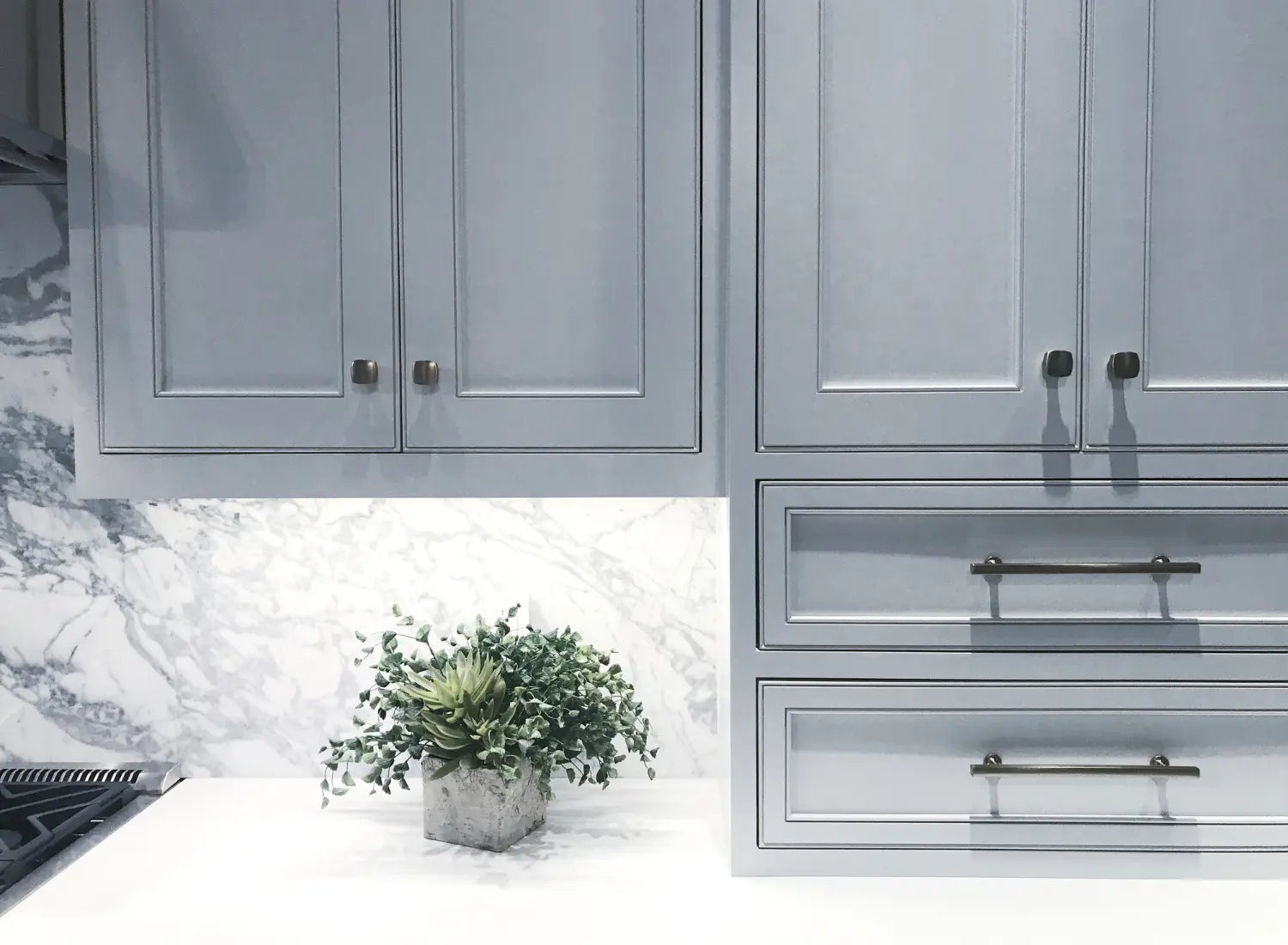
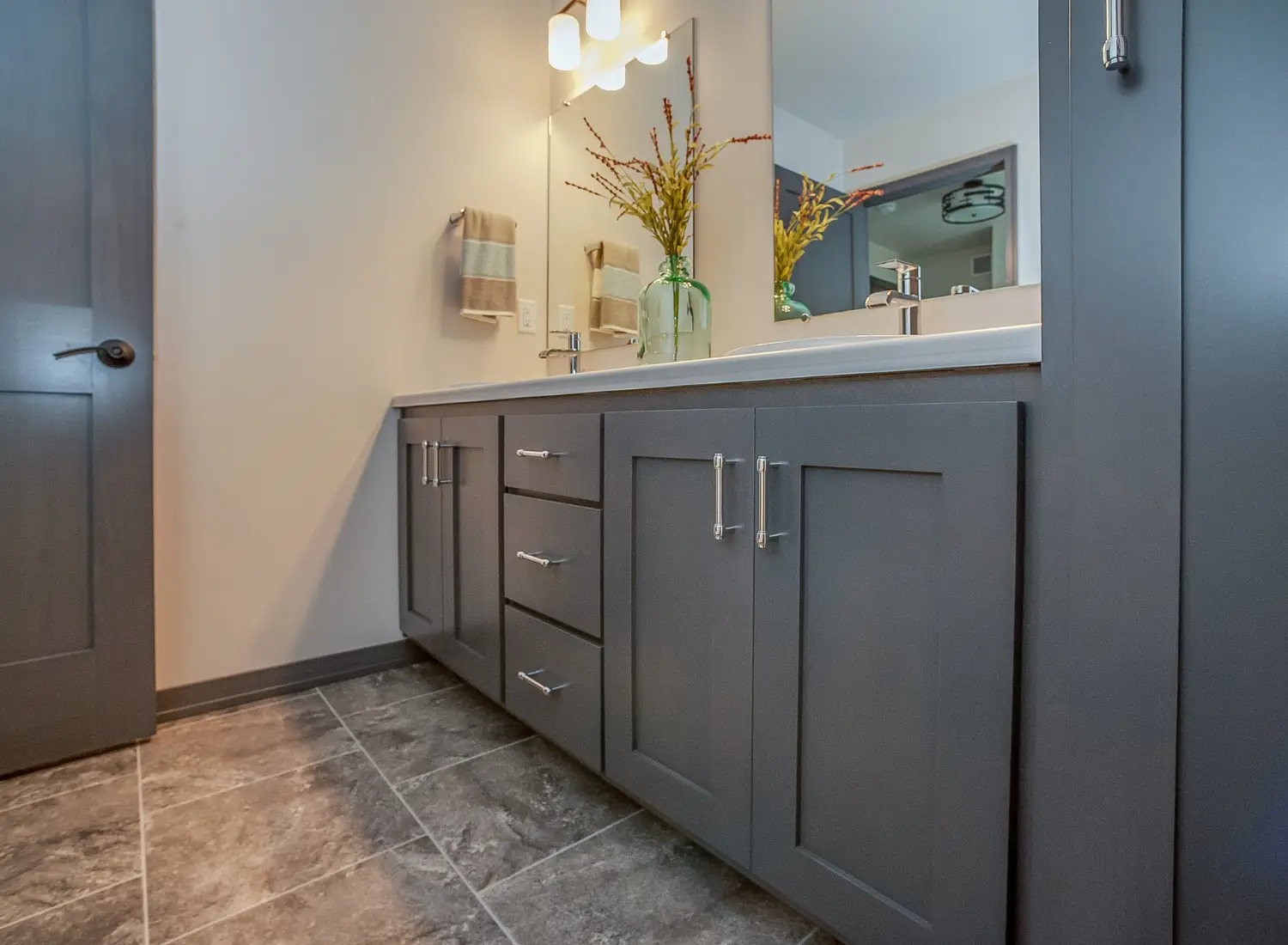
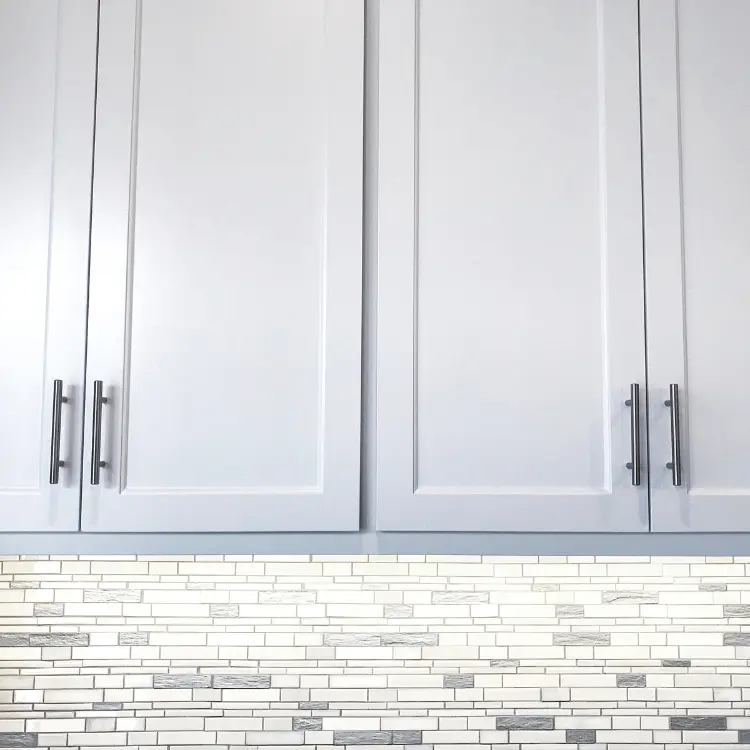
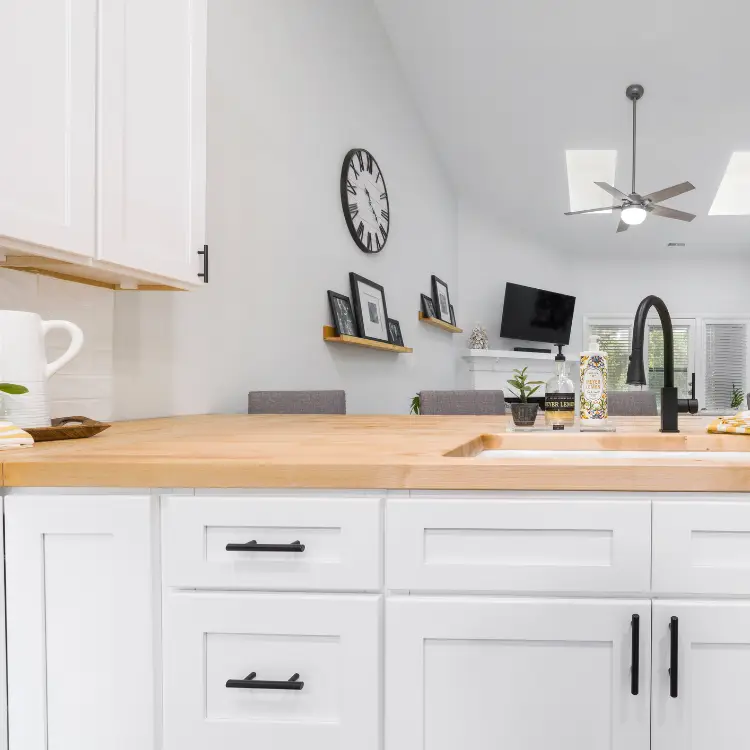
Clean Prep.
Sharp Lines.
Consistent Results.

What our interior and cabinet painting process focuses on:
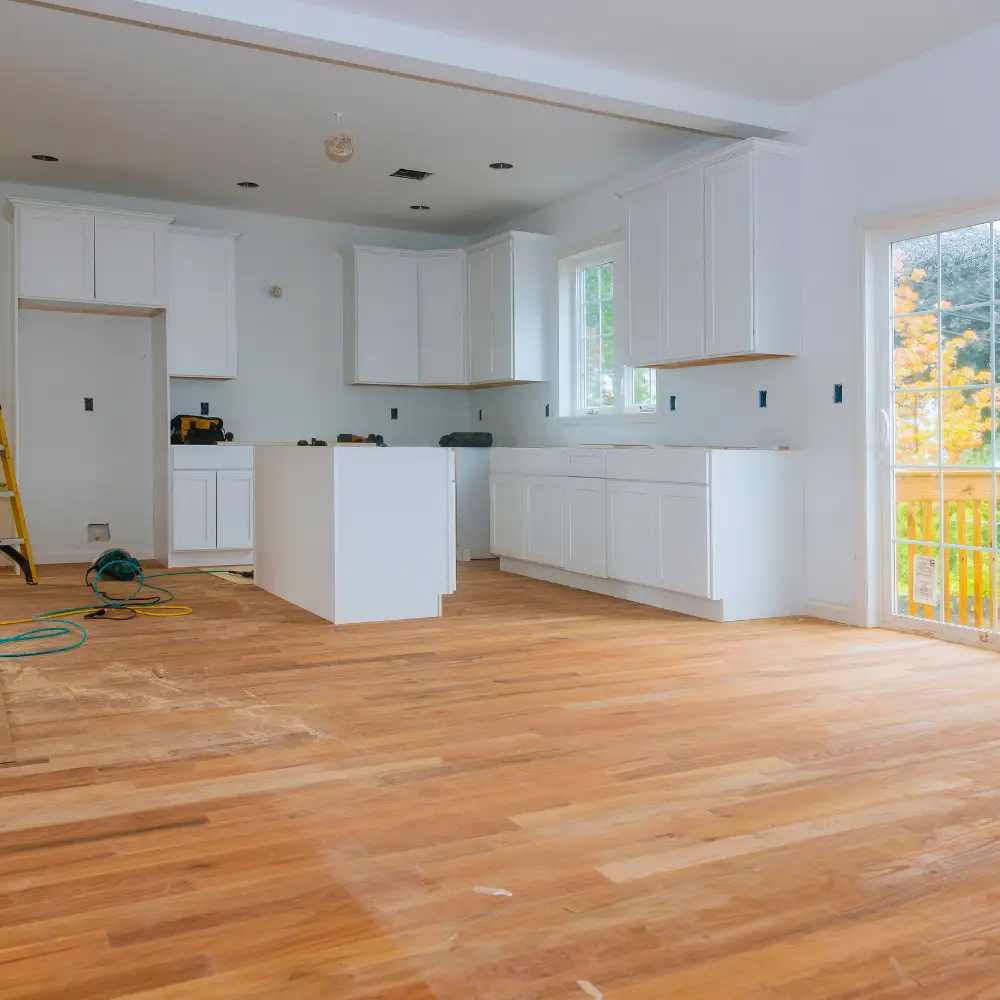
Thorough surface prep, including patching, sanding, and smoothing
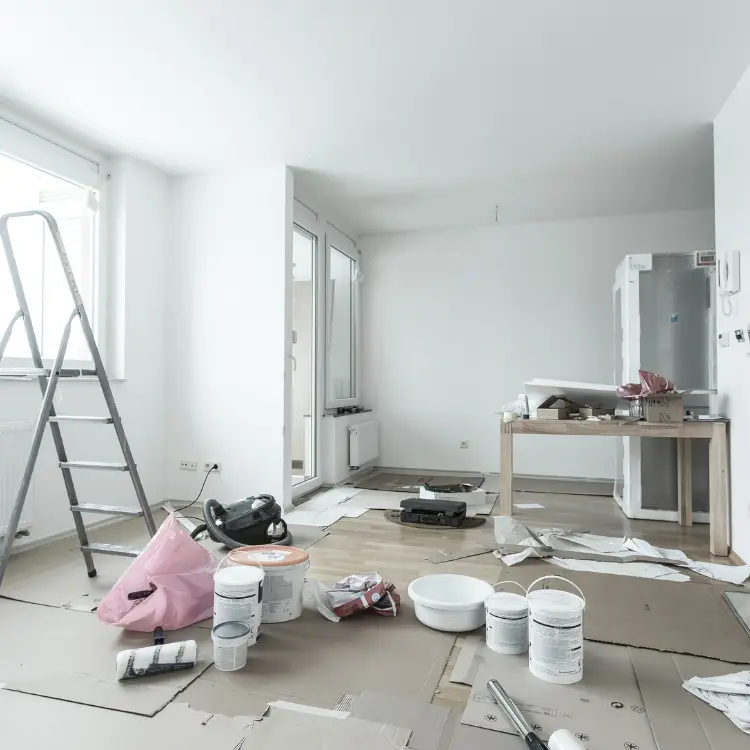
Careful protection of floors, furniture, and surrounding areas
Clean edges at trim, doors, ceilings, and transitions
Even coverage and consistent finish across all surfaces
Durable cabinet finishes designed for daily use
Clean Prep.
Sharp Lines.
Consistent Results.
What our interior and cabinet painting process focuses on:
Thorough surface prep, including patching, sanding, and smoothing
Careful protection of floors, furniture, and surrounding areas
Clean edges at trim, doors, ceilings, and transitions
Even coverage and consistent finish across all surfaces
Durable cabinet finishes designed for daily use
Painting
Photo
Gallery
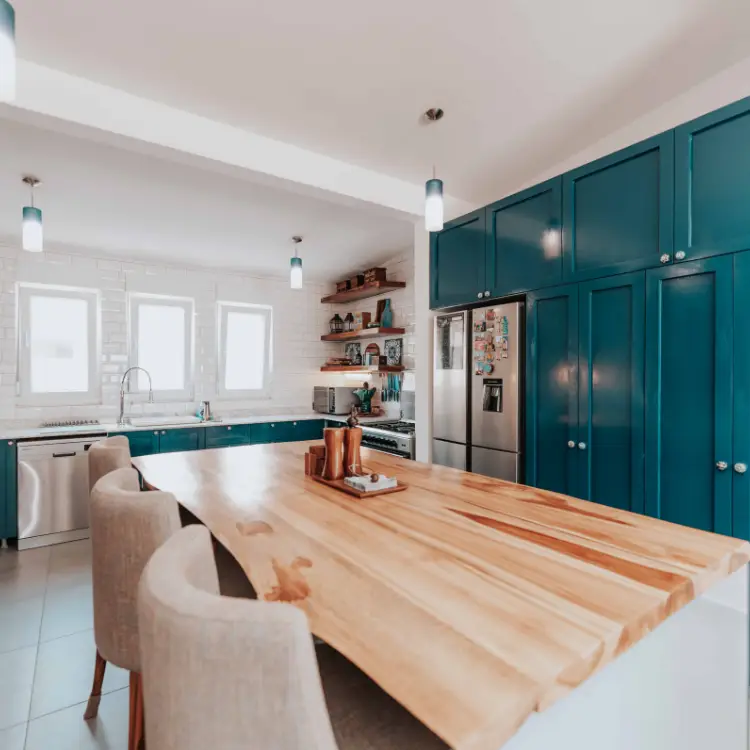
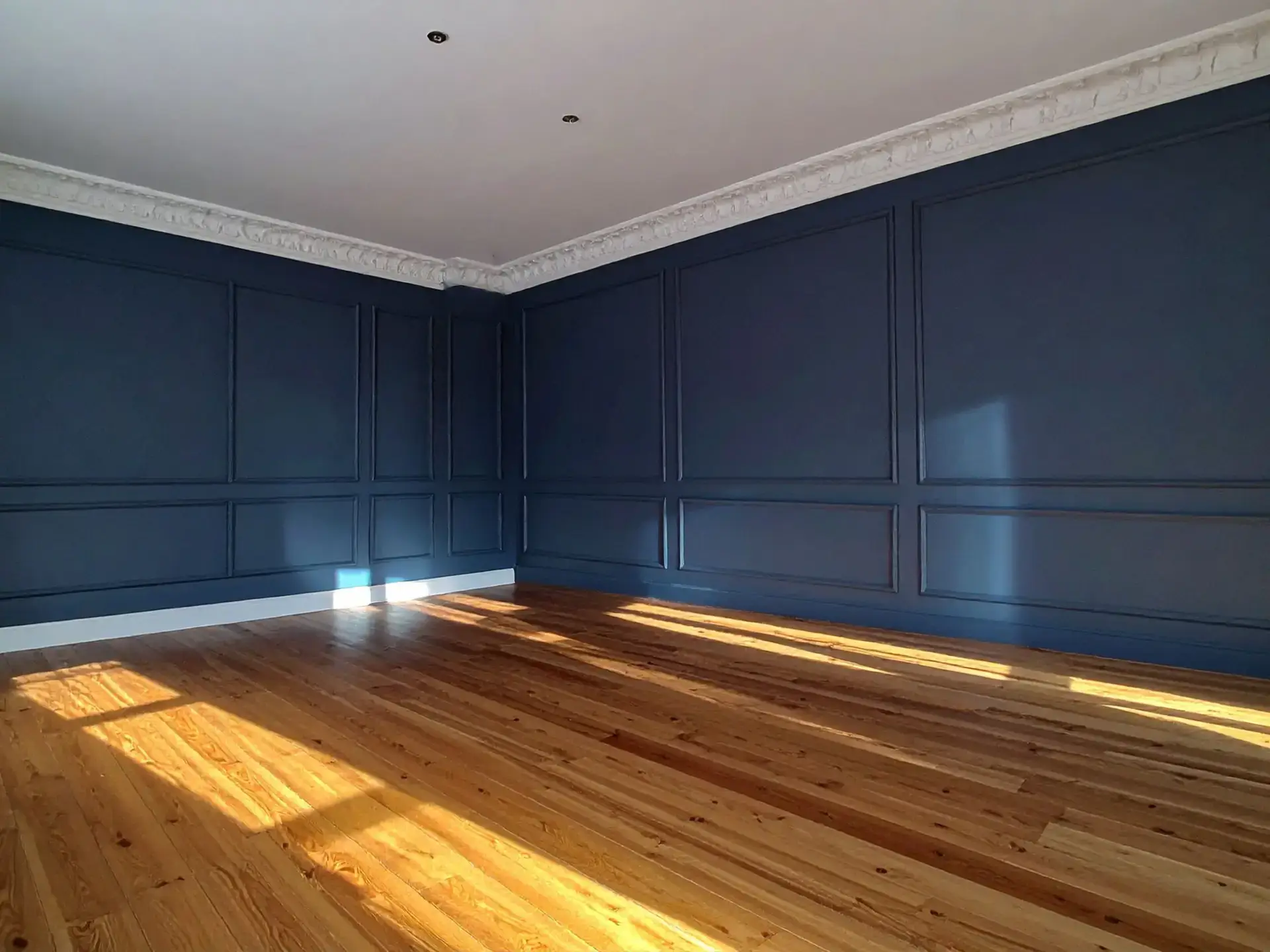
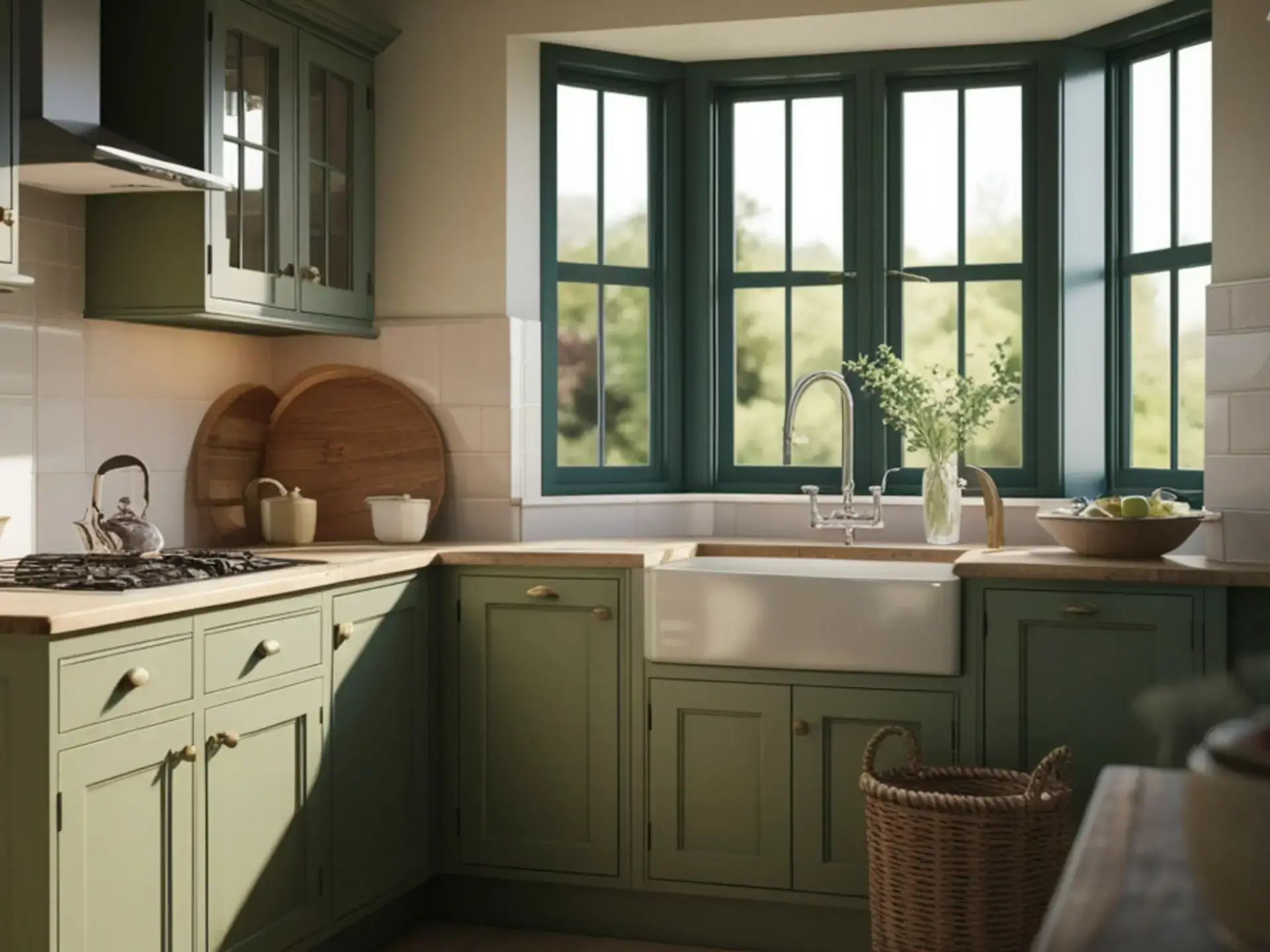
A look at recent interior spaces and cabinet projects, finished with clean lines, even coverage, and attention to detail.
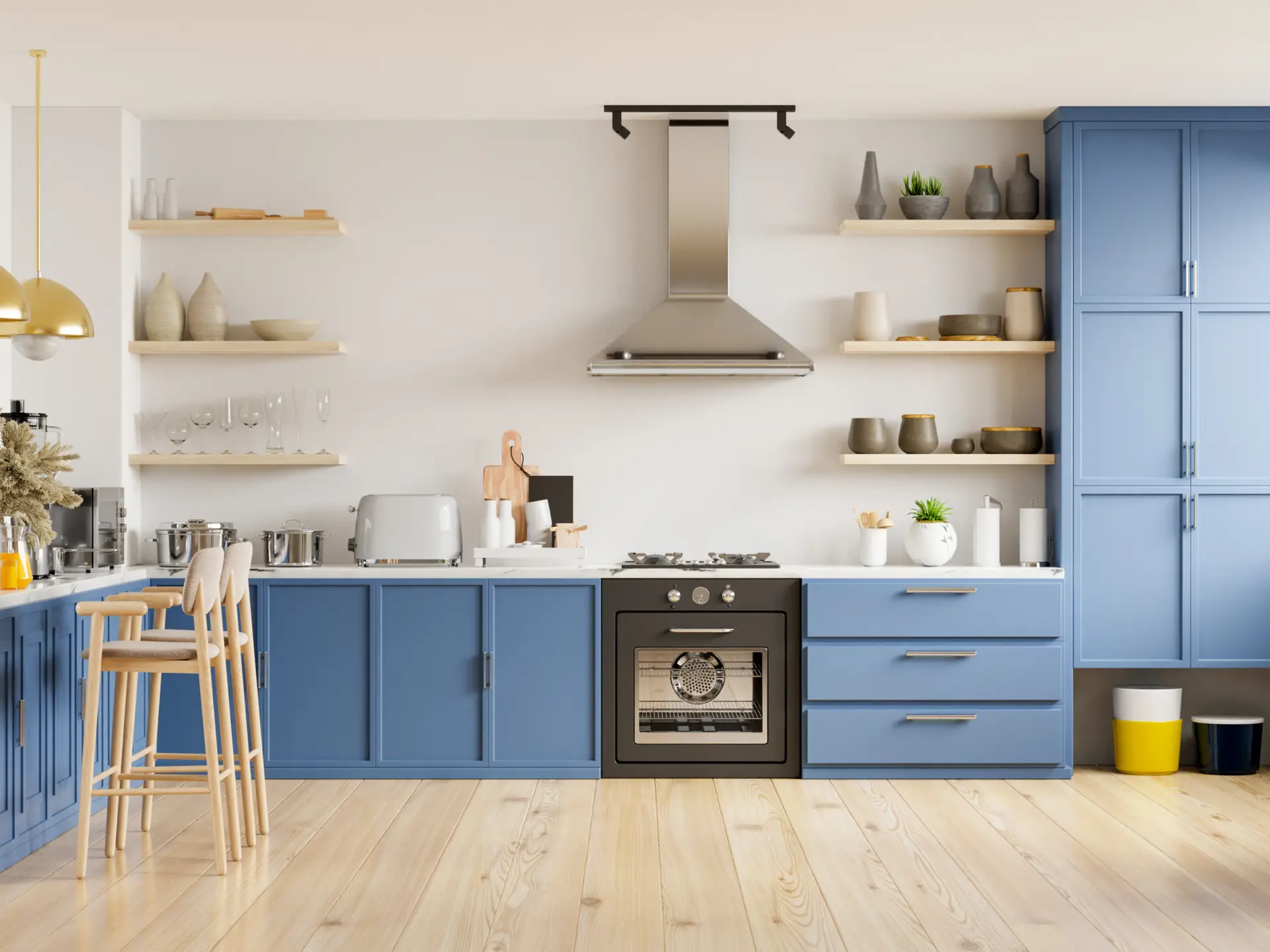
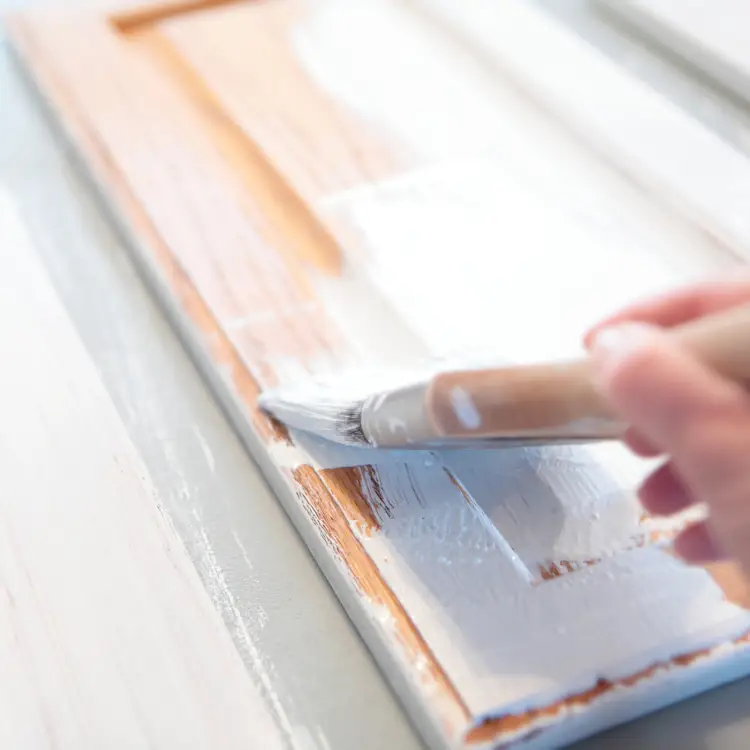
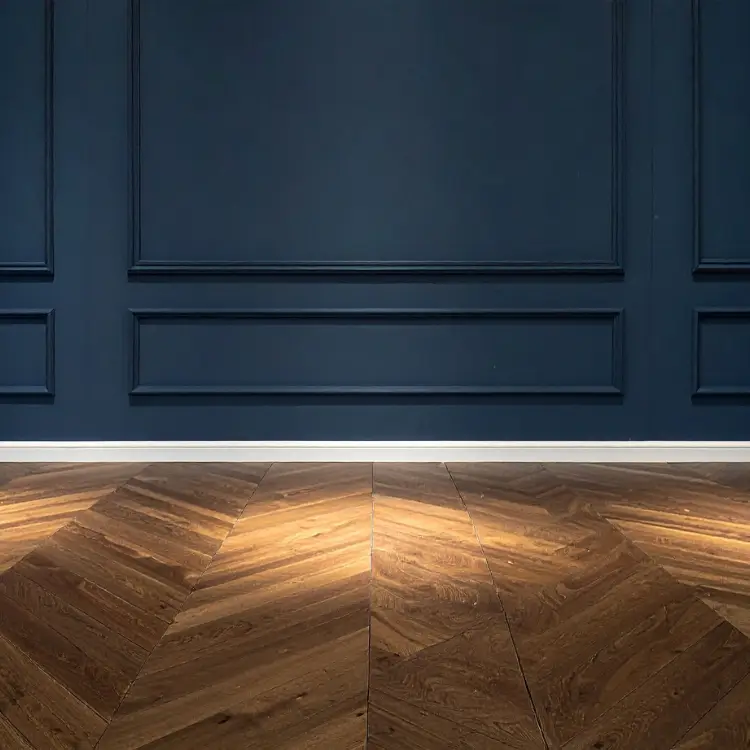
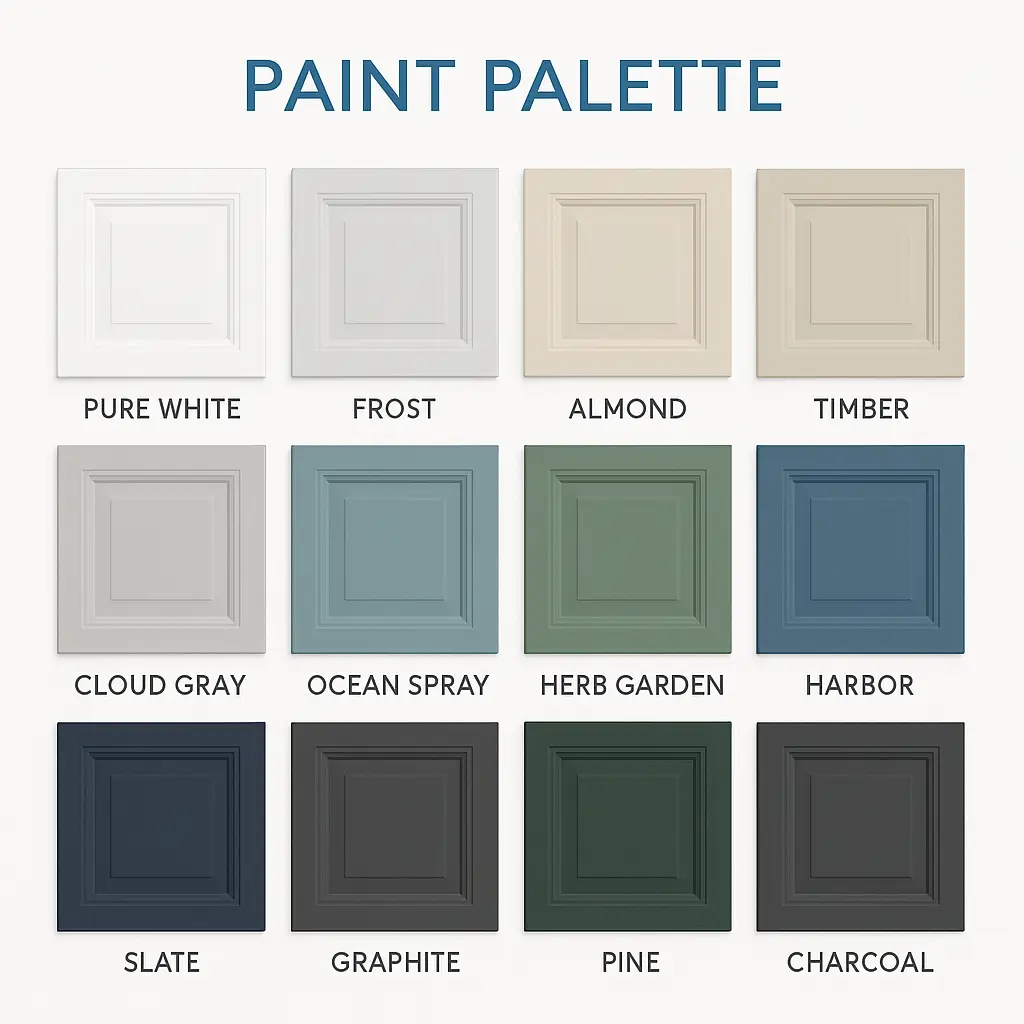
Endless
Color
Options
A Cleaner, Brighter Interior
Starts With the Right Prep
Whether you’re refreshing a few rooms or updating cabinets, we’ll help you plan the scope and deliver a finish that feels complete.
Start Your ProjectMost paint problems show up after the room goes back into normal use and the lighting changes. Peeling and chipping usually trace back to adhesion, meaning the surface was dusty, glossy, greasy, or contaminated and the coating never truly bonded. Patch “flashing” happens when repaired areas absorb paint differently than the surrounding wall, so they reflect light unevenly even if the color matches.
If you’ve had issues before, ask your painter how they handle glossy surfaces, stains, repairs, and primer. The goal is not “more coats,” it’s the right surface condition before the finish goes on.
Interior painting quotes go off the rails when key decisions are left vague. Before scheduling, it helps to define:
What’s included: walls only, or walls plus ceilings, trim, doors, and closets
Color and sheen per surface, because sheen affects how defects and brush marks show
Whether any repairs are expected (nail pops, cracks, water stains, rough patches)
Which rooms are occupied and what needs protection or moving
A clear scope prevents misunderstandings and avoids the common “I thought that was included” situation mid-job.
Cabinets are not walls. They take constant contact, friction, and cleaning. If they are not prepped and coated properly, they chip at the edges and feel soft long after drying.
Cabinet surfaces need to be cleaned of grease, sanded thoroughly, and primed with a bonding primer designed for slick surfaces. The finish coat must be durable and applied evenly to avoid heavy buildup at corners and door profiles. Dry time between coats matters. Rushing reassembly is what causes sticking doors and damaged edges. A proper cabinet finish should feel smooth, hard, and stable once fully cured, not rubbery or soft.