
In-House
Crew
Durable Installation
Clean Lines & Cuts
Clean
Jobsite
Interior
Painting
Services
Tile work is unforgiving. Layout mistakes, uneven spacing, and sloppy cuts don’t disappear once the grout dries, they become the first thing you notice every day.
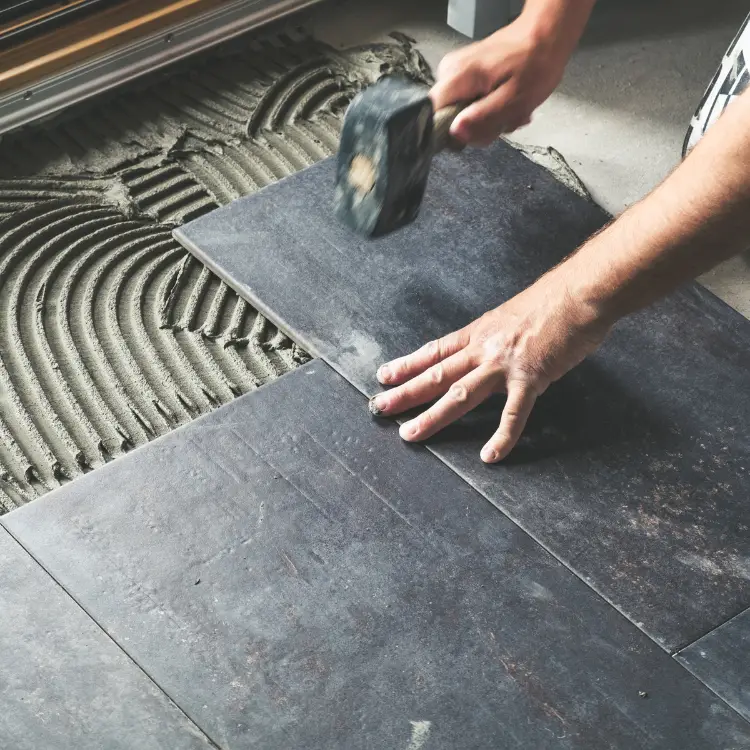
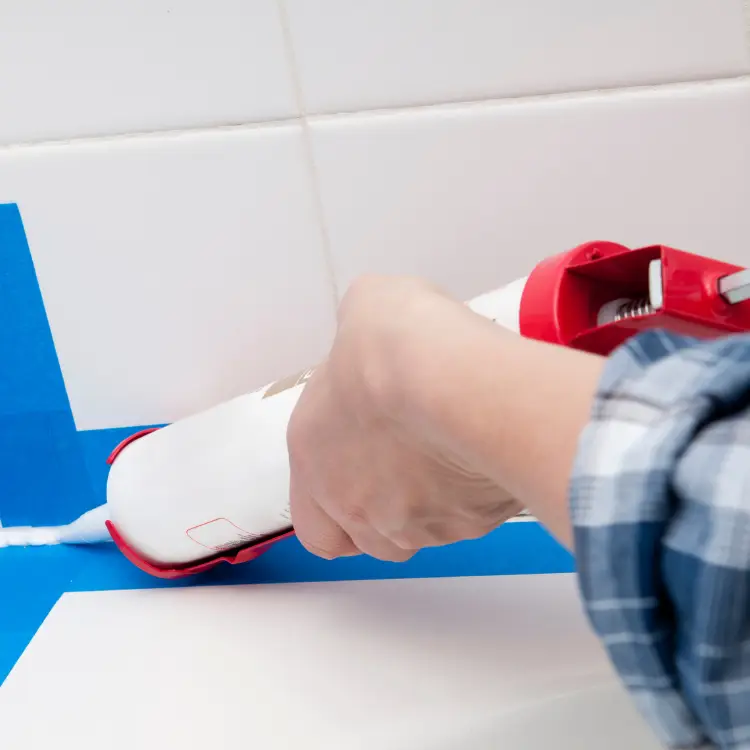
Dunrite installs interior tile with a focus on layout, alignment, and clean execution. From bathrooms and showers to kitchen backsplashes and wall tile, our in-house crew plans the work carefully so the finished surface looks intentional, balanced, and built to last.
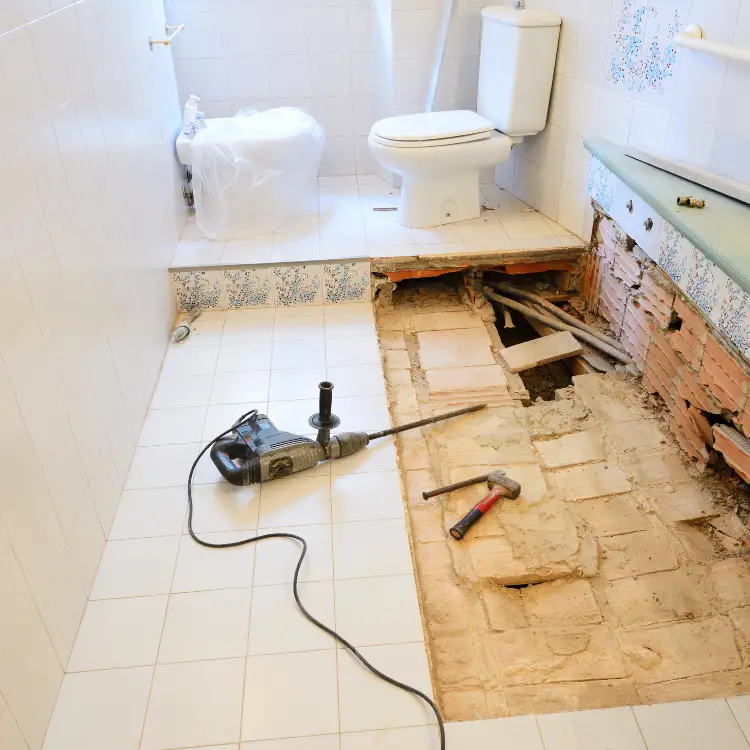
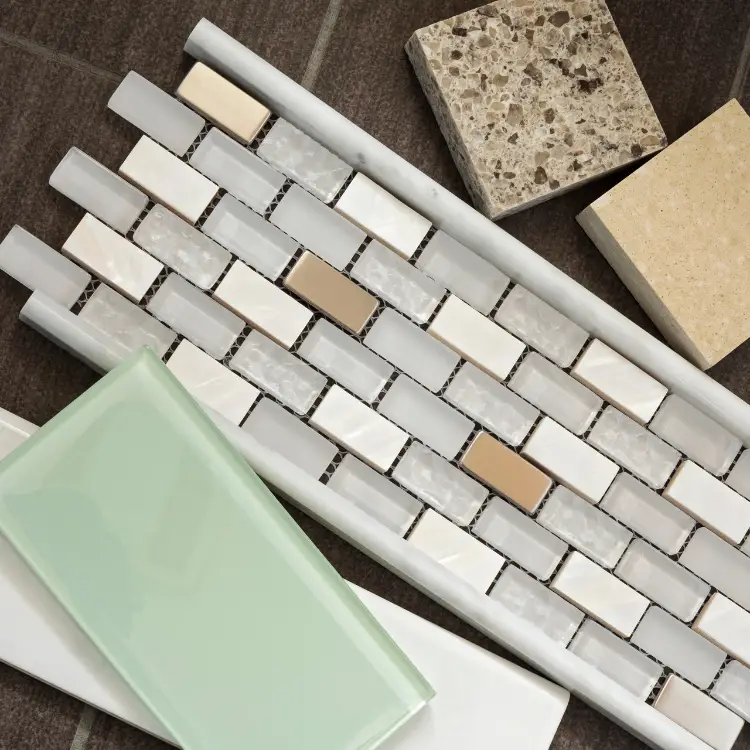
Planned Layout.
Straight Lines.
Clean Finish Built to Last.
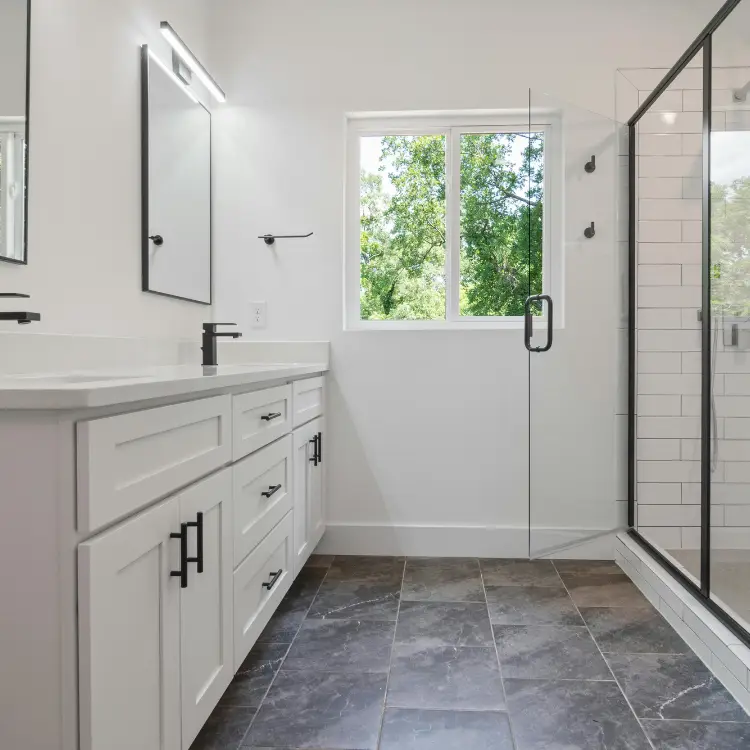
Good tile work starts long before the first piece goes on the wall or floor. We focus on layout, spacing, and sequencing so the final result feels finished, not pieced together.
What our tile installation process focuses on:
Layout planning to avoid awkward cuts and uneven borders
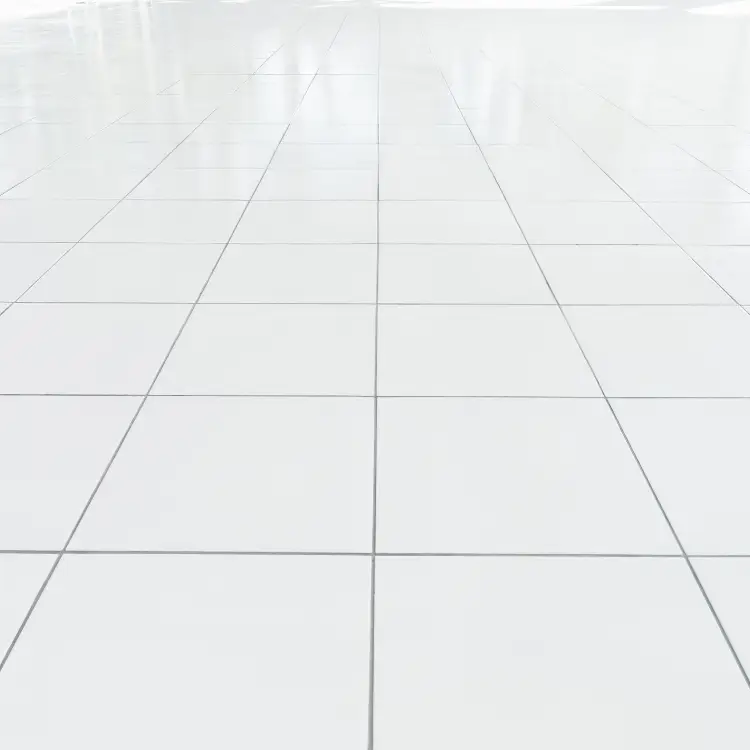
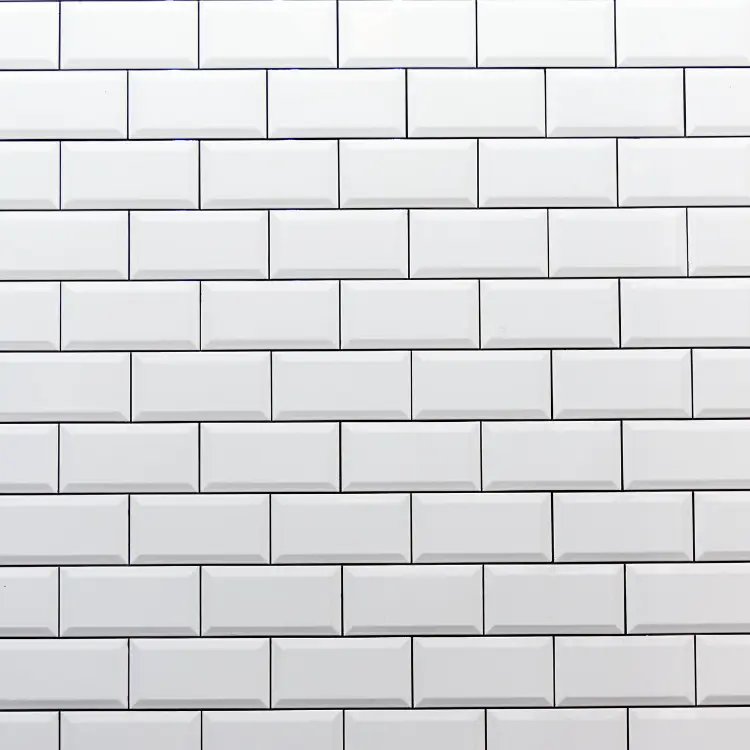
Consistent spacing and straight alignment throughout the surface
Interior tile installation for bathrooms, kitchens, walls, and backsplashes
Planned Layout.
Straight Lines.
Clean Finish Built to Last.
Good tile work starts long before the first piece goes on the wall or floor. We focus on layout, spacing, and sequencing so the final result feels finished, not pieced together.
What our tile installation process focuses on:
Layout planning to avoid awkward cuts and uneven borders
Consistent spacing and straight alignment throughout the surface
Interior tile installation for bathrooms, kitchens, walls, and backsplashes
Bathroom
Renovation
Gallery
A selection of recent bathroom projects showcasing tile details, consistent layouts, and finished spaces built for everyday use.
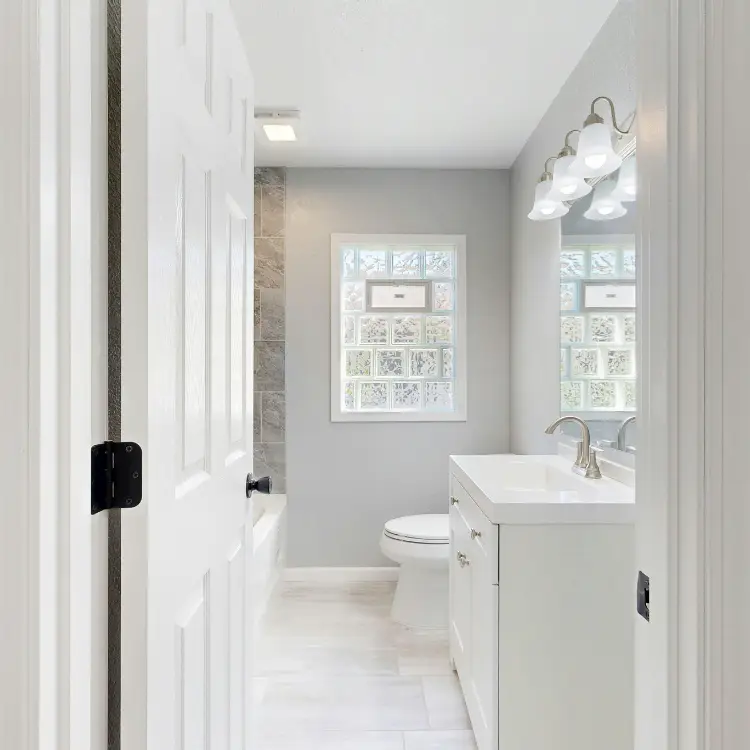
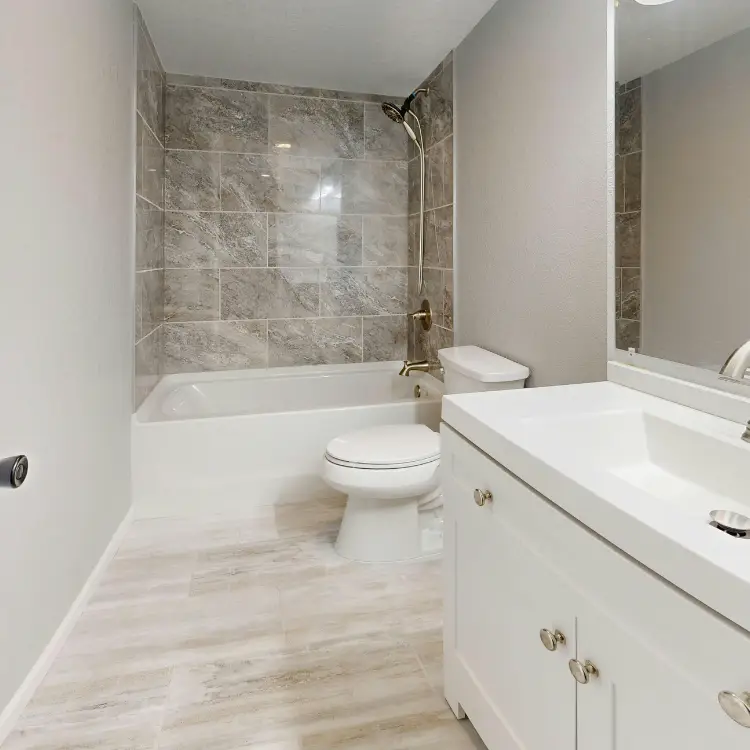
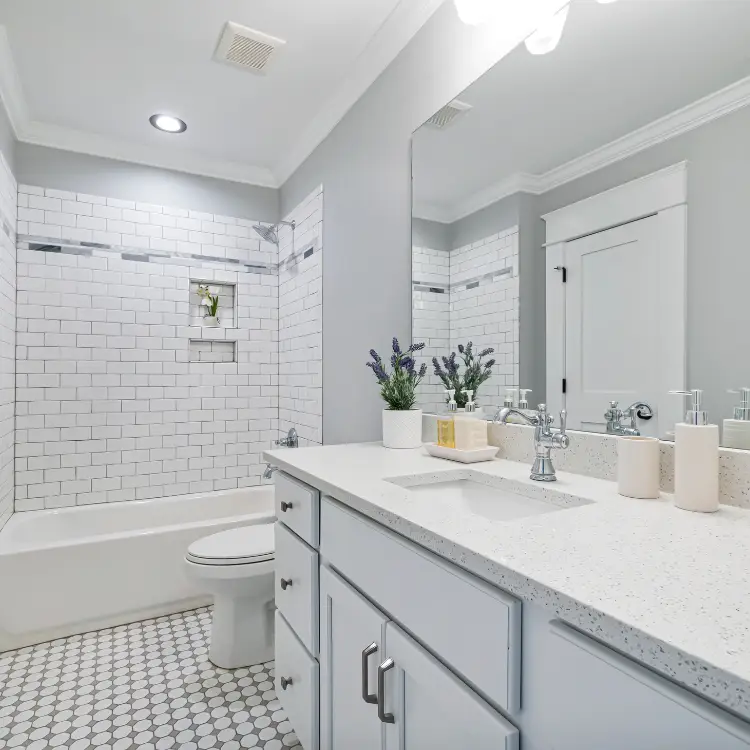
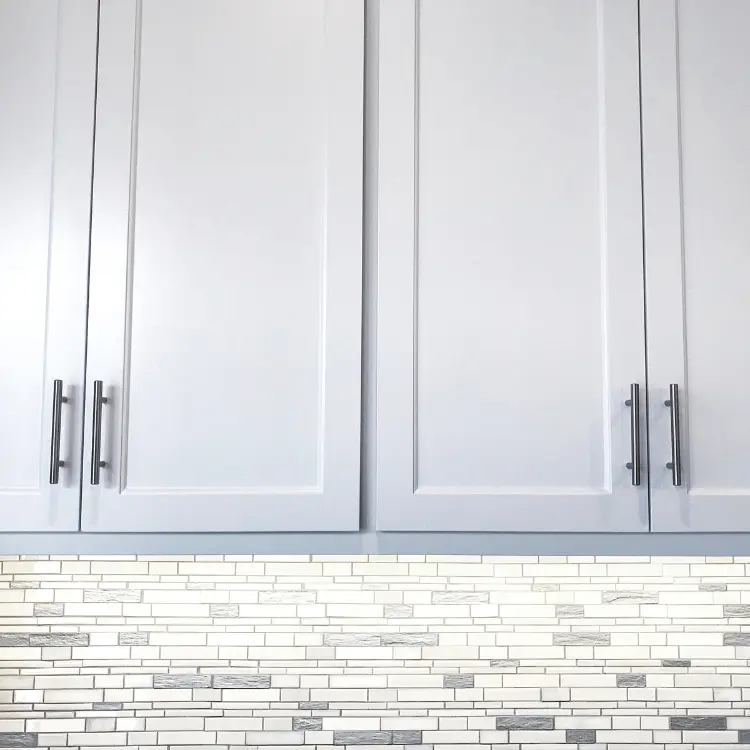
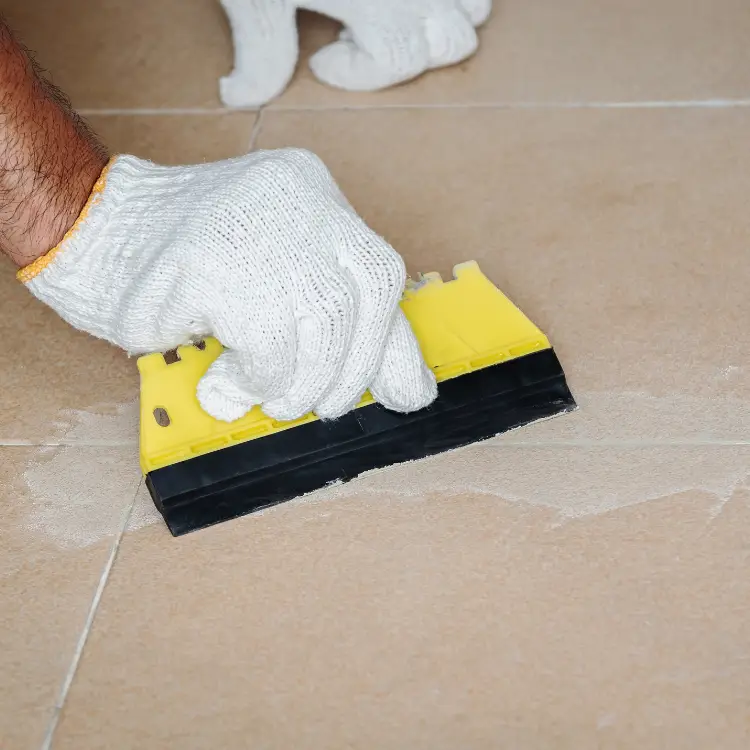
A Better Bathroom
Starts With the Right Process
If you’re planning a bathroom renovation and want the work handled cleanly and professionally, we’re ready to walk through the details with you.
Start Your ProjectRegrouting makes sense when the tile itself is solid and well-adhered, but the grout is cracked, stained, or deteriorating. If tiles are loose, hollow-sounding when tapped, or shifting under pressure, the issue is usually below the surface and regrouting alone will not fix it.
You also want to look for signs of moisture intrusion, such as soft drywall behind a shower wall, dark staining that returns quickly after cleaning, or persistent mildew smells. Regrouting addresses failing grout joints, not structural or waterproofing failures behind the tile.
Grout failure is typically caused by movement, moisture, or improper curing. Movement happens when the subfloor or wall backing flexes, especially in bathrooms where humidity levels fluctuate. Discoloration often comes from trapped moisture, improper sealing, or cleaning products that slowly break down the grout surface.
It’s also common for grout to cure unevenly if the space wasn’t properly ventilated during installation. The result can be blotchy color or powdery joints that wear down faster than expected.
Floor tile needs to handle weight, foot traffic, and cleaning. That means paying attention to slip resistance, thickness, and the tile’s rating for floor use. Wall tile does not carry the same load requirements and can be thinner or more decorative.
Porcelain is typically more durable and moisture-resistant than many ceramic options, especially for wet areas. Larger format tiles reduce grout lines, which can make cleaning easier, but they require flatter surfaces to install properly. The right tile depends on location, use, and the condition of the substrate underneath.